


Understanding workplace hazards helps job seekers make informed career decisions. Some occupations expose workers to dangers extending far beyond immediate injuries. Long-term health risks from toxic substances, repetitive strain, and chronic stress affect workers decades after employment ends.
This comprehensive guide explores how to identify the most dangerous occupations and understand their lasting health consequences. Workers, students, and career changers can use this information to evaluate potential risks before accepting positions.
Understanding Long-Term Occupational Health Risks
Long-term health risks differ from immediate workplace dangers. Acute injuries like falls or equipment accidents occur suddenly and heal relatively quickly. However, chronic exposures cause cumulative damage appearing years or decades later.
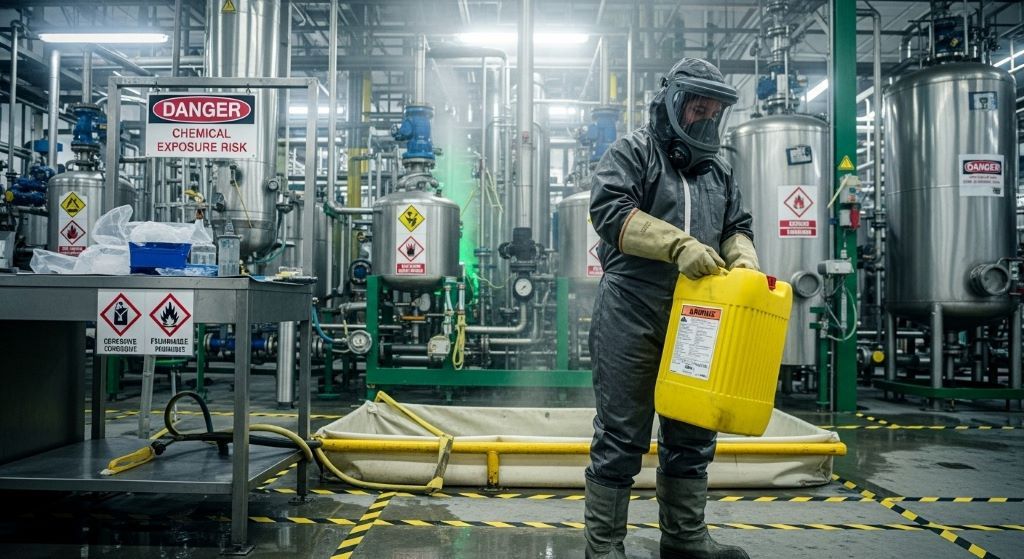
Chemical exposure represents a significant long-term risk category. Workers inhaling toxic fumes, handling carcinogenic materials, or absorbing harmful substances through skin contact face elevated cancer risks. Additionally, respiratory diseases and neurological damage develop gradually from repeated exposures.
Repetitive motion injuries accumulate over careers spanning decades. Carpal tunnel syndrome, back problems, and joint deterioration limit mobility and cause chronic pain. These conditions often persist long after retirement, diminishing quality of life.
Psychological stress constitutes an underestimated long-term health risk. High-pressure jobs with life-or-death decisions create chronic stress responses. Therefore, workers in certain fields face elevated risks of cardiovascular disease, depression, and anxiety disorders.
Researching Government Safety Data and Statistics
The Bureau of Labor Statistics maintains comprehensive workplace injury and illness databases. Their Census of Fatal Occupational Injuries tracks deaths across all industries. Moreover, the Survey of Occupational Injuries and Illnesses documents nonfatal incidents requiring medical attention.
OSHA publishes detailed reports on workplace hazards and enforcement actions. Their website includes industry-specific safety guidance and violation records. Additionally, OSHA’s establishment search tool reveals individual company safety citations and penalties.
The National Institute for Occupational Safety and Health conducts research on workplace health risks. NIOSH publications identify emerging hazards and provide prevention recommendations. Their Health Hazard Evaluation program investigates specific workplace concerns reported by employees.
State labor departments supplement federal data with local statistics. Some states maintain more detailed records than federal agencies require. Therefore, checking both federal and state resources provides complete risk profiles.
Examining Industries with Highest Fatality Rates
Construction consistently ranks among the deadliest industries. Falls from heights, electrocutions, and equipment accidents cause immediate fatalities. However, long-term asbestos exposure, silica dust inhalation, and repetitive strain injuries create lasting health problems.
Logging operations face the highest fatality rate per worker. Falling trees, equipment malfunctions, and remote work locations make this occupation extremely dangerous. Additionally, whole-body vibration from machinery causes chronic back and joint problems.
Fishing and hunting work environments expose workers to drowning risks and severe weather. Commercial fishermen face death rates significantly higher than most occupations. Moreover, repetitive heavy lifting and cold exposure contribute to musculoskeletal disorders.
Agriculture involves machinery accidents, animal-related injuries, and pesticide exposure. Farmers experience high rates of respiratory diseases from organic dust and chemicals. Furthermore, sun exposure increases skin cancer risks among outdoor agricultural workers.
According to CBS News, transportation and material moving occupations account for significant workplace fatalities, with delivery and truck drivers facing particular risks.
Identifying Chemical Exposure Hazards
Manufacturing workers handling industrial chemicals face elevated cancer risks. Benzene exposure increases leukemia likelihood, while formaldehyde raises nasopharyngeal cancer rates. Additionally, workers in rubber, plastics, and chemical production encounter multiple carcinogenic substances.
Painters and coating applicants inhale volatile organic compounds daily. Long-term exposure causes neurological damage and respiratory diseases. Moreover, lead-based paint removal creates particularly dangerous exposure scenarios.
Healthcare workers encounter chemotherapy drugs, disinfectants, and sterilizing agents. Reproductive health risks accompany many pharmaceutical exposures. Furthermore, latex allergies develop from prolonged glove use, sometimes ending careers.
Automotive repair technicians work with brake dust containing asbestos in older vehicles. Engine exhaust, solvents, and battery acid create multiple exposure pathways. Therefore, proper ventilation and protective equipment become essential for this occupation.
Hairdressers and cosmetologists face chemical exposures often underestimated. Hair dyes, straightening chemicals, and nail products contain known carcinogens and respiratory irritants. Additionally, standing for long hours causes circulatory problems and joint deterioration.
Recognizing Respiratory Disease Risks
Mining operations expose workers to coal dust, silica, and diesel exhaust. Black lung disease remains prevalent despite improved safety measures. Additionally, silicosis causes irreversible lung scarring and increases tuberculosis susceptibility.
Welders inhale metal fumes creating long-term respiratory complications. Manganese exposure from welding rods can cause Parkinson’s-like neurological symptoms. Moreover, confined space welding intensifies exposure concentrations.
Firefighters face smoke inhalation containing numerous toxic substances. Structure fires release carcinogens, heavy metals, and chemical compounds. Furthermore, repeated exposures accumulate, significantly raising cancer risks compared to general populations.
Grain elevator workers encounter explosive dust and respiratory hazards. Grain dust causes farmer’s lung and chronic obstructive pulmonary disease. Additionally, fumigants used for pest control create additional toxic exposures.
Textile workers historically faced cotton dust exposure causing byssinosis. While regulations have improved conditions, respiratory risks persist in some facilities. Therefore, understanding specific workplace ventilation systems remains important.
Evaluating Ergonomic and Repetitive Strain Hazards
Meatpacking and poultry processing involve rapid, repetitive motions with sharp tools. Carpal tunnel syndrome, tendonitis, and lacerations occur frequently. Additionally, cold temperatures and wet conditions exacerbate musculoskeletal problems.
Dental hygienists and dentists maintain awkward postures for extended periods. Neck, shoulder, and back problems develop from constant bending and reaching. Moreover, hand-intensive procedures create nerve compression and joint deterioration.
Assembly line workers perform identical motions thousands of times daily. Automotive assembly, electronics manufacturing, and packaging operations create high repetitive strain risks. Furthermore, production quotas often prevent adequate rest breaks.
Truck drivers and delivery workers sit for extended periods while loading and unloading cargo. Lower back problems affect majority of long-haul truckers. Additionally, irregular schedules and sleep deprivation contribute to cardiovascular disease and obesity.
Cashiers and retail workers stand on hard surfaces throughout shifts. Foot problems, varicose veins, and lower back pain develop from prolonged standing. Therefore, supportive footwear and anti-fatigue mats provide only partial relief.
Investigating Psychological Stress and Mental Health Risks
Emergency responders including police, firefighters, and paramedics face traumatic situations regularly. Post-traumatic stress disorder rates exceed general population levels significantly. Additionally, shift work disrupts circadian rhythms, contributing to depression and anxiety.
Healthcare professionals experience high stress from patient care responsibilities and long hours. Nurses face verbal abuse, physical assaults, and moral distress from resource limitations. Moreover, physician suicide rates exceed those of other professions.
Social workers and counselors absorb secondary trauma from client situations. Compassion fatigue and burnout affect career longevity and personal wellbeing. Furthermore, inadequate organizational support intensifies these psychological risks.
Air traffic controllers maintain intense concentration with life-or-death consequences for errors. This constant pressure creates chronic stress responses affecting cardiovascular health. Additionally, mandatory retirement ages reflect recognized psychological demands.
Customer service representatives handling complaints endure verbal abuse and emotional labor. Call center workers experience high rates of anxiety and depression. Therefore, metrics-driven environments without autonomy amplify psychological strain.
Using Online Resources and Databases
The CDC’s NIOSH Pocket Guide to Chemical Hazards provides detailed substance information. This resource explains exposure limits, symptoms, and protective measures for thousands of chemicals. Additionally, the guide helps workers identify hazardous materials in their workplaces.
OSHA’s Safety and Health Topics pages offer industry-specific guidance. Each topic includes recognized hazards, prevention strategies, and regulatory requirements. Moreover, these resources link to relevant standards and compliance assistance materials.
Professional association websites provide occupation-specific health information. Trade unions often maintain databases of workplace hazards affecting their members. Furthermore, these organizations advocate for improved safety standards and compensation programs.
Academic research databases like PubMed contain peer-reviewed studies on occupational health. Searching specific job titles with terms like “long-term health effects” yields relevant scientific literature. However, medical terminology may require interpretation for general readers.
According to The Washington Post, analyzing fatal injury rates alongside nonfatal illness data provides the most complete picture of occupational risks.
Consulting Workers’ Compensation and Legal Records
Workers’ compensation claims reveal patterns of occupational injuries and illnesses. State databases sometimes publish aggregated claims data by industry and injury type. Additionally, these records indicate which conditions insurers recognize as work-related.
Legal settlements and judgments document severe workplace health consequences. Asbestos litigation, for example, established connections between exposure and mesothelioma. Moreover, class action lawsuits often uncover systemic safety failures affecting multiple workers.
Labor board decisions address workplace safety complaints and violations. These public records detail hazardous conditions and employer responses. Furthermore, repeat violations indicate companies prioritizing production over worker safety.
Occupational disease registries track specific conditions linked to workplace exposures. State health departments maintain databases for conditions like silicosis and occupational cancers. Therefore, consulting these registries reveals geographic and industry patterns.
Evaluating Company Safety Records and Culture
OSHA’s establishment search allows checking individual company safety citations. Frequent violations or serious penalties indicate problematic safety cultures. Additionally, companies contesting citations rather than correcting hazards demonstrate concerning priorities.
Glassdoor and similar platforms include employee reviews mentioning safety conditions. Workers often describe hazards, protective equipment availability, and management responsiveness. However, remember reviews represent individual perspectives rather than comprehensive assessments.
Company sustainability and safety reports provide self-reported data. Publicly traded companies typically publish more detailed information than private firms. Moreover, comparing companies within the same industry reveals relative safety performance.
Union presence often correlates with better safety outcomes. Collective bargaining agreements typically include safety provisions and enforcement mechanisms. Furthermore, union safety committees advocate for members regarding workplace hazards.
Conclusion
Identifying the most unsafe jobs with highest long-term health risks requires researching multiple data sources and understanding various hazard categories. Government statistics, scientific literature, and worker experiences all contribute valuable information. Chemical exposures, respiratory hazards, ergonomic risks, and psychological stress create lasting health consequences extending decades beyond active employment. Therefore, prospective workers should thoroughly investigate specific occupations and employers before accepting positions. Understanding these risks enables informed career decisions, appropriate protective measures, and recognition of early warning signs. Additionally, this knowledge empowers workers to advocate for safer conditions and pursue appropriate compensation when injuries or illnesses occur.
Frequently Asked Questions
Which job has the highest long-term health risks overall?
Mining, particularly underground coal mining, presents among the highest cumulative long-term risks. Workers face immediate dangers from collapses and explosions plus chronic conditions like black lung disease, silicosis, and various cancers from chemical and dust exposures.
How can I research specific health risks for my occupation?
Check OSHA’s Safety and Health Topics pages, NIOSH databases, and peer-reviewed research in PubMed. Additionally, consult professional associations, union resources, and workers’ compensation data for your specific industry and job title.
Are office jobs free from long-term health risks?
No, office workers face ergonomic risks from prolonged sitting and computer use. Carpal tunnel syndrome, back problems, eye strain, and obesity-related conditions develop from sedentary work. However, these risks generally prove less severe than industrial exposures.
Do safety regulations adequately protect workers from long-term health risks?
Regulations have improved workplace safety significantly, but gaps remain. Emerging chemicals lack exposure limits, enforcement varies by jurisdiction, and some industries have inadequate oversight. Therefore, workers should not rely solely on regulatory compliance for protection.
Can I refuse unsafe work without losing my job?
OSHA protects workers who refuse imminent danger situations threatening death or serious injury. However, protections for long-term risks prove more complex. Consult your union representative or employment attorney before refusing work assignments over safety concerns.
Related Topics:
When Bathroom Becomes a Horror Movie: The Moisture Monster Strikes