


Most job seekers prepare for interviews by memorizing common questions and rehearsing their answers. This approach is not wrong. However, it misses something important. Recruiters are not just looking for rehearsed responses. They are looking for specific traits, skills, and signals that match a very clear picture in their minds. Understanding what that picture looks like is the key to standing out. This is where recruiter intent analysis comes in.
Recruiter intent analysis is the practice of studying the motivations, priorities, and decision-making patterns of the people who hire. When you understand what a recruiter truly wants, you can prepare smarter, speak more precisely, and make a stronger impression.
What Is Recruiter Intent Analysis?
Recruiter intent analysis means going beyond the job description. It means studying the language, structure, and priorities behind a posting to understand what the company is actually trying to solve.
Every job posting is written with intent. Recruiters choose certain words deliberately. They list requirements in a specific order. They describe the company culture in ways that reflect real internal values. Therefore, these clues can tell you a great deal about what the recruiter is hoping to find in a candidate.
Additionally, recruiter intent is shaped by the pressure they face. Recruiters are often evaluated on how quickly they fill roles and how well their hires perform. This means they are looking for candidates who reduce their risk. They want someone who is clearly qualified, easy to evaluate, and unlikely to fail in the role.
Understanding this perspective transforms how you prepare. Instead of guessing what questions might come up, you prepare based on what the recruiter actually needs to hear.
Why Traditional Interview Preparation Falls Short
Traditional preparation focuses on you. It asks: what are my strengths, what are my weaknesses, what have I accomplished? These are important questions. However, they are only half the picture.
The problem is that most candidates walk into interviews thinking about themselves. They rehearse their stories without considering how those stories serve the recruiter’s needs. As a result, their answers may sound good but feel slightly off to the interviewer.
Recruiters notice when a candidate is speaking from a script. They also notice when someone truly understands the role and the company’s challenges. The second type of candidate always makes a stronger impression. That is why recruiter intent analysis is such a powerful tool. It shifts your preparation from being candidate-centered to being recruiter-centered.
How to Analyze Recruiter Intent Before Your Interview
The good news is that recruiter intent analysis does not require special access or insider knowledge. You can do it with publicly available information and a systematic approach.
Decode the Job Description
Start with the job posting itself. Read it carefully, more than once. Pay attention to the order of the requirements. Items listed first are usually the highest priority. If leadership is mentioned before technical skills, the recruiter values leadership more.
Look for repeated words or themes. If a posting mentions “cross-functional collaboration” three times, that is not an accident. It signals a core need in the team.
Additionally, notice the language used to describe the role. Words like “fast-paced,” “self-starter,” and “ownership mentality” tell you something about the work culture. They also tell you what behaviors the recruiter wants to see demonstrated in the interview.
Write down five to seven themes you identify. These will guide the stories and examples you prepare.
Research the Recruiter and Hiring Manager
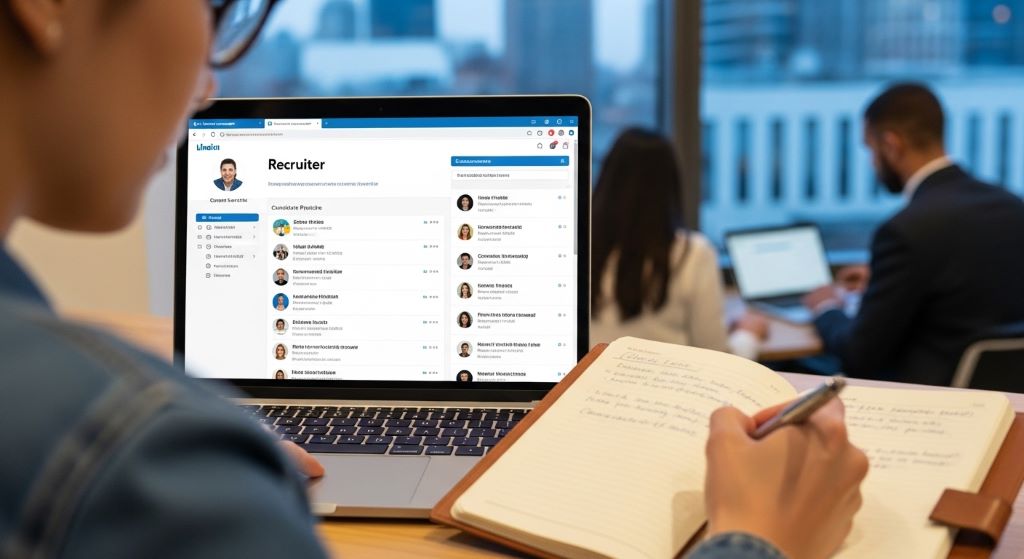
LinkedIn is a valuable resource for this step. Search for the recruiter or hiring manager listed in the job posting. Look at their background, the content they share, and any articles they have written or commented on.
This gives you insight into what they value professionally. It can also reveal how they think about talent, team building, and company culture. Therefore, you can align your language and examples with their known priorities.
If you find an interview with the hiring manager or a talk they gave at a conference, study it closely. People tend to hire candidates who reflect their own definition of success.
Study the Company’s Recent Activity
Go beyond the company website. Look at recent press releases, earnings calls, news articles, and social media posts. Companies often telegraph their biggest challenges and goals in their public communications.
For example, if a company recently announced a push into a new market, they likely need people who are adaptable and comfortable with ambiguity. If they just went through a merger, they may need someone skilled at navigating change and building relationships across teams.
Additionally, look at employee reviews on platforms like Glassdoor. These often reveal the real culture and the specific frustrations or strengths of a team. This information helps you understand what the recruiter is trying to fix with this hire.
Identify the Pain Point Behind the Role
Every job opening exists because of a pain point. Someone left and left a gap. The team is growing and needs more capacity. A new initiative requires a skill set that is missing. Understanding this pain point is central to recruiter intent analysis.
Ask yourself: why does this role exist right now? The answer shapes how you position yourself. If the role exists because a key person left, the recruiter likely values reliability and continuity. If it exists because of growth, they likely value ambition and adaptability.
Once you identify the pain point, make it the backbone of your preparation. Every story you tell in the interview should demonstrate your ability to solve that specific problem.
Using Recruiter Intent to Prepare Stronger Answers
Once you have completed your analysis, the next step is to translate your findings into interview preparation. This is where the real work happens.
Map Your Experience to Their Priorities
Take the five to seven themes you identified from your job description analysis. For each theme, prepare one or two specific examples from your experience that demonstrate that quality.
Use the STAR method: Situation, Task, Action, Result. However, go further than most candidates do. After describing the result, add one more sentence that connects your example directly to the recruiter’s context. For instance, after describing how you managed a cross-functional project, say: “I know from your job description that collaboration across departments is central to this role. That experience gave me a clear playbook for exactly that kind of work.”
This extra step shows the recruiter that you have done your homework. It also helps them visualize you in the role, which is exactly what they need to make a confident decision.
Prepare Questions That Reflect Deep Research
The questions you ask at the end of an interview matter enormously. Recruiters pay close attention to them. Weak questions signal shallow preparation. Strong questions signal genuine engagement and strategic thinking.
Use your recruiter intent analysis to craft questions that go beyond the surface. Instead of asking “What does a typical day look like?”, ask something like: “I noticed the company recently expanded into Southeast Asia. How is that affecting the priorities of this team over the next six months?”
This kind of question demonstrates that you have researched the company and thought seriously about the role. Additionally, it signals that you are already thinking like an employee rather than an applicant.
Anticipate Concerns and Address Them Proactively
Your recruiter intent analysis may reveal potential concerns about your candidacy. For example, if the role requires ten years of experience and you have seven, the recruiter may worry about a gap.
Address these concerns proactively. Do not wait to be asked. Weave your response into your answers early in the interview. For instance, you might say: “While I have seven years of experience rather than ten, I have consistently taken on responsibilities that go beyond my title, including leading enterprise-level projects that most people at my level would not typically manage.”
This approach shows self-awareness and confidence. It also removes the concern from the recruiter’s mind before it becomes a barrier.
Practicing With Recruiter Intent in Mind
Preparation is not just about knowing what to say. It is also about how you say it. Practice matters, but it must be purposeful practice.
Record yourself answering key questions. Then review the recording not as a candidate, but as a recruiter. Ask yourself: does this answer directly address the priority I identified? Does it feel relevant to the role? Is it concise and specific enough to be convincing?
Additionally, consider practicing with a partner who can play the role of a skeptical recruiter. Give them your intent analysis so they can ask challenging follow-up questions based on the role’s priorities. This kind of targeted practice is far more effective than running through a generic list of questions.
Common Mistakes to Avoid
Even candidates who use recruiter intent analysis sometimes make avoidable errors. Here are the most common pitfalls:
- Preparing too many stories and losing focus on the most important themes
- Using industry jargon that the recruiter may not understand, especially if they are an HR generalist rather than a technical expert
- Failing to update your analysis if the interview is rescheduled or the role description changes
- Over-rehearsing to the point where your answers sound robotic rather than genuine
- Ignoring non-verbal communication, which recruiters observe just as closely as verbal answers
Being aware of these mistakes helps you avoid them. Therefore, review your preparation from the recruiter’s point of view before every interview.
Conclusion
Standing out in a competitive job market requires more than rehearsed answers. It requires understanding the person on the other side of the table. Recruiter intent analysis gives you that understanding. By decoding the job description, researching the recruiter and company, identifying the pain point behind the role, and mapping your experience to their priorities, you transform your preparation from generic to precise.
Additionally, the questions you ask and the concerns you address proactively show a level of preparation that most candidates never reach. This is what recruiters remember. This is what leads to offers.
Start your next interview preparation with a recruiter intent analysis. It takes a few extra hours, but the results are worth it. You will walk into the room knowing not just what to say, but why it matters to the person listening.
Frequently Asked Questions
What is recruiter intent analysis and why does it matter?
Recruiter intent analysis is the process of studying the motivations and priorities behind a job posting and the people who make hiring decisions. It matters because it shifts your preparation from being generic to being highly targeted. When you understand what a recruiter truly needs, you can tailor your answers, stories, and questions to directly address their most important concerns.
How do I find the recruiter’s priorities from a job description?
Read the job description carefully and look for patterns. The order of requirements often reflects priority, with the most critical needs listed first. Repeated words or themes signal what the company values most. Pay attention to the language used to describe the culture and the team, as these phrases reveal the behaviors and mindset the recruiter is looking for.
Can recruiter intent analysis help if I am changing careers?
Yes, it is especially helpful for career changers. By understanding the pain point behind a role, you can position your transferable skills in a way that speaks directly to the recruiter’s needs. Additionally, identifying potential concerns about your background allows you to address them proactively, which builds confidence in your candidacy despite a non-traditional path.
How much time should I spend on recruiter intent analysis before an interview?
Most candidates benefit from spending two to four hours on a thorough analysis. This includes reading the job description in detail, researching the company’s recent news and public communications, reviewing the recruiter or hiring manager’s LinkedIn profile, and mapping your experience to the key themes you identify. The investment is small compared to the advantage it creates.
What is the difference between standard interview prep and recruiter intent analysis?
Standard interview prep focuses on the candidate: practicing common questions, polishing your resume story, and preparing general examples of past work. Recruiter intent analysis focuses on the interviewer: understanding their specific needs, the company’s current challenges, and what success in the role truly looks like. The combination of both approaches produces the strongest possible interview performance.
Related Topics:
Is the Color Black Professional for a Job Interview? Navigating the Palette of Professionalism
Body Language Tricks That Win Interviews: Master the Art of Nonverbal Communication