

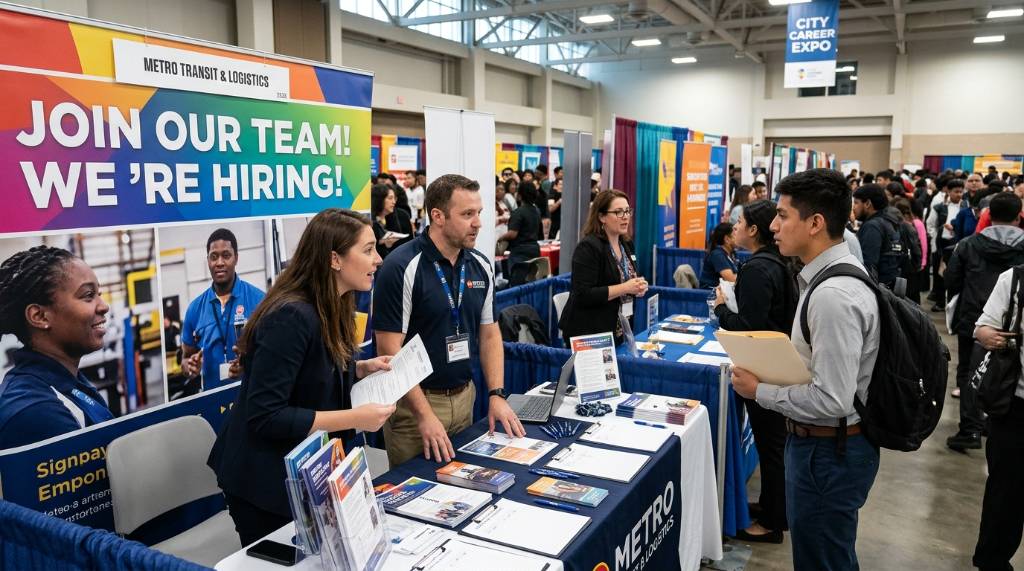
Finding a good job feels easier when employers come to you. That is exactly what a city hiring event offers. On January 20, 2027, job seekers will meet recruiters face to face, hand over resumes, and sometimes interview on the spot. This guide covers everything you need before you go. You will find the date, the registration steps, the types of employers, the jobs on offer, and a full visitor plan. Read it once, then use it as your checklist.
Please note that organizers set the final details, such as the venue and the opening hours. Therefore, always check the official announcement from the mayor’s office before you travel.
What Is This City Hiring Event?
The Mayor’s Job Fair 2027 is a city-backed hiring event that links local residents with employers. The mayor’s office brings both sides into one place. Companies set up booths. Job seekers walk in, talk to recruiters, and learn about open roles. Entry is usually free, so students, graduates, career changers, and experienced workers can all join.
City leaders host these events for a simple reason. Strong local hiring keeps money in the community. Moreover, it helps families find steady income and helps businesses fill gaps quickly. As a result, the fair serves both sides of the job market.
Key Event Details at a Glance
The table below gives a quick summary. Use it to plan your day.
| Detail | Information |
| Event type | City hiring fair hosted by the mayor’s office |
| Date | Wednesday, January 20, 2027 |
| Time | Check the official announcement; most fairs run through the daytime |
| Venue | Confirm with the mayor’s office; fairs often use a convention hall, stadium, or community center |
| Entry fee | Usually free |
| Registration | Online or on-site |
| Who can attend | Job seekers, students, graduates, veterans, and career changers |
| Dress code | Business casual or smart |
Since January 20 falls on a Wednesday, most employers will send hiring managers during working hours. Consequently, you should ask your current manager for time off early if you already have a job.
Why You Should Attend
Online applications often disappear into a long queue. A job fair works differently. You meet a real person, and that person remembers your face. Additionally, you can ask questions that a job post never answers.
Here are the main benefits:
- You meet many employers in one day.
- You save time and travel costs.
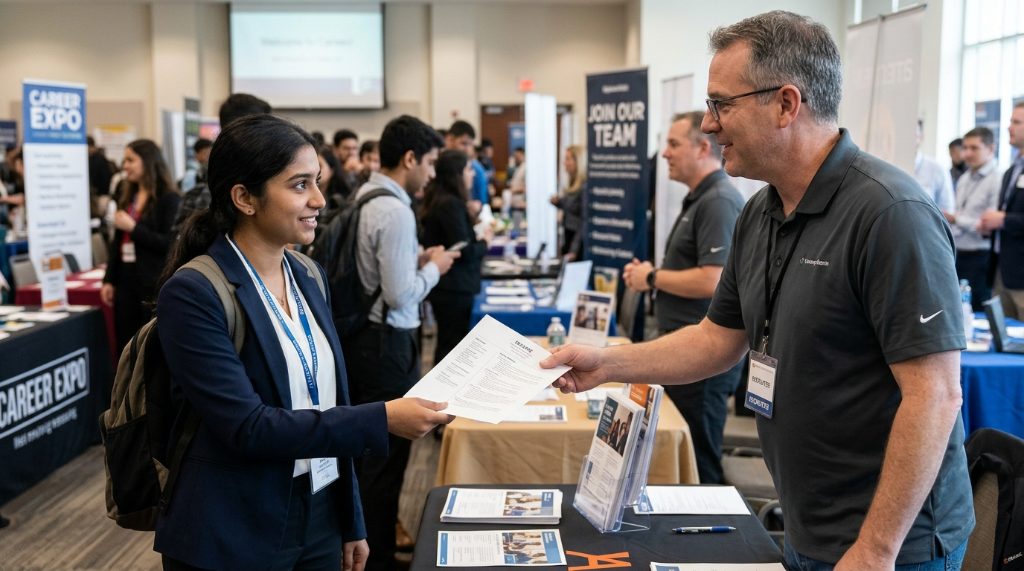
- You can hand over a resume directly.
- You can learn about salary, shifts, and growth.
- You may receive an interview offer on the same day.
- You can test your interview skills in a low-pressure setting.
- You can learn which skills are in demand.
Furthermore, the fair helps people who feel stuck. Career changers can explore new fields without sending dozens of applications. Fresh graduates can find entry-level roles. Experienced workers can compare offers.
How to Register
Registration is simple, but it saves time on the day. Early sign-up also lets you receive updates about new employers and schedule changes.
Step-by-Step Registration Guide
- Visit the official website or social media page of the mayor’s office.
- Find the event page for January 20, 2027.
- Click the registration link.
- Fill in your name, phone number, email, and education level.
- Choose your job interests, such as sales, health care, or technology.
- Upload a short resume if the form allows it.
- Submit the form and save your confirmation message.
- Print or screenshot your ticket or QR code.
Online Versus On-Site Registration
| Feature | Online Registration | On-Site Registration |
| Waiting time | Short | Can be long |
| Updates | You receive emails or texts | You get none until you arrive |
| Entry | Faster with a ticket | Slower at the desk |
| Resume upload | Often possible | Not possible |
| Best for | Planners | Last-minute visitors |
Therefore, register online if you can. However, many fairs still accept walk-ins, so do not give up if you miss the deadline.
Employers You May Meet
The list of employers changes each year. Organizers usually publish it a few weeks before the event. Nevertheless, you can expect a mix of sectors. Large companies attend, and so do small local businesses. Government departments and training centers often join too.
| Sector | Typical Employers | Common Hiring Needs |
| Retail and hospitality | Stores, hotels, restaurants | Cashiers, servers, managers |
| Health care | Hospitals, clinics, care homes | Nurses, assistants, technicians |
| Technology | Software firms, call centers | Developers, support staff, testers |
| Banking and finance | Banks, insurers | Tellers, analysts, sales agents |
| Manufacturing | Factories, workshops | Operators, supervisors, quality staff |
| Logistics | Delivery and shipping firms | Drivers, warehouse workers, planners |
| Education | Schools, training centers | Teachers, tutors, admin staff |
| Public service | City departments, agencies | Clerks, inspectors, outreach staff |
Before you go, study the final employer list. Pick your top ten. After that, mark the five you want to meet first. This plan keeps you calm and focused.
Jobs You May Find
Employers at city fairs hire for many levels. Some roles need no experience. Others need years of skill. Moreover, many companies offer part-time, full-time, and contract roles.
Entry-Level Roles
These jobs suit students and first-time workers. Examples include customer service agent, sales assistant, data entry clerk, and office helper. Employers often train new hires, so attitude matters more than past experience.
Mid-Level Roles
These jobs suit workers with two to five years of experience. Examples include team leader, accountant, nurse, technician, and marketing executive. Recruiters will ask about your past results, so bring clear examples.
Senior Roles
Some employers also seek managers and specialists. Examples include project manager, engineer, and finance lead. Senior candidates should bring a polished resume and a short career summary.
Skills Employers Want Most
- Clear communication
- Basic computer skills
- Teamwork
- Problem solving
- Time management
- Willingness to learn
- Customer care
In addition, language skills give you an edge. Many recruiters value people who speak more than one language.
What to Bring
Pack your bag the night before. A tidy bag shows you take the day seriously.
- Ten to fifteen printed copies of your resume
- Your registration ticket or QR code
- A government photo ID
- A notebook and a pen
- Copies of certificates and references
- A portfolio, if your field uses one
- A phone charger or power bank
- A water bottle and a light snack
- A folder to keep papers neat
Also, save a digital copy of your resume on your phone. Some recruiters prefer to scan a code or receive a file.
How to Prepare Before the Day
Good preparation separates strong candidates from the crowd. Start one week early.
Research Your Target Employers
Visit each company’s website. Read about its products, its values, and its open roles. Then write two questions for each one. For example, ask about training, career growth, or team culture. Recruiters notice candidates who show real interest.
Update Your Resume
Keep your resume to one page if you have under ten years of experience. Put your name, phone number, and email at the top. Next, list your skills and your most recent job. Use numbers where you can. For instance, write that you served fifty customers per day. Finally, check spelling twice.
Practice a Short Introduction
You will have about thirty seconds to make a first impression. Therefore, prepare a short pitch. State your name, your skills, and the job you want. Practice it in front of a mirror or with a friend. As a result, you will sound confident on the day.
Interview and Networking Tips
Recruiters meet hundreds of people. Stand out with simple habits.
- Smile and offer a firm handshake.
- Make eye contact.
- Speak clearly and keep answers short.
- Listen before you reply.
- Ask smart questions.
- Thank every recruiter.
- Collect business cards.
However, avoid a few common traps. Do not interrupt. Do not criticize former bosses. And Do not ask about pay first. Instead, show your value, and then discuss pay when the recruiter opens the topic.
Additionally, take short notes after each chat. Write the recruiter’s name, the role, and the next step. These notes will help you write strong follow-up messages later.
Complete Visitor Guide
Getting There
Plan your trip early. Big events attract crowds, and roads can get busy. Public transport is often the best choice. Buses, trains, and rickshaws can save you parking stress. If you drive, arrive early and look for the parking zones that organizers announce. Moreover, share a ride with friends to cut costs.
Arrival Time
Try to arrive when the doors open. The first hours are calmer. Recruiters have more energy, and lines are short. Late in the day, some booths may close early. Therefore, do not wait until the afternoon.
Dress Code
Wear clean, neat clothes. A shirt and trousers, a blouse and skirt, or a simple suit all work well. Choose comfortable shoes, because you will walk and stand a lot. Since January is cool in many places, bring a light jacket, but keep it easy to carry.
Accessibility
Most city events offer help for visitors with disabilities. Look for ramps, priority lanes, and help desks. If you need special support, contact the mayor’s office before the day. Likewise, parents with young children should ask about family areas.
Food and Rest
Expect food stalls or a café near the venue. Even so, carry a bottle of water. Take short breaks between booths. A rested mind gives better answers.
Safety Tips
- Keep your phone and wallet in a safe pocket.
- Share personal data only with real employers.
- Never pay a fee for a job offer.
- Report any suspicious person to event staff.
Sadly, scammers sometimes target job seekers. Therefore, stay alert and trust official staff only.
Sample Visitor Schedule
The schedule below is an example. Organizers may change it, so check the final version.
| Time Slot | Activity |
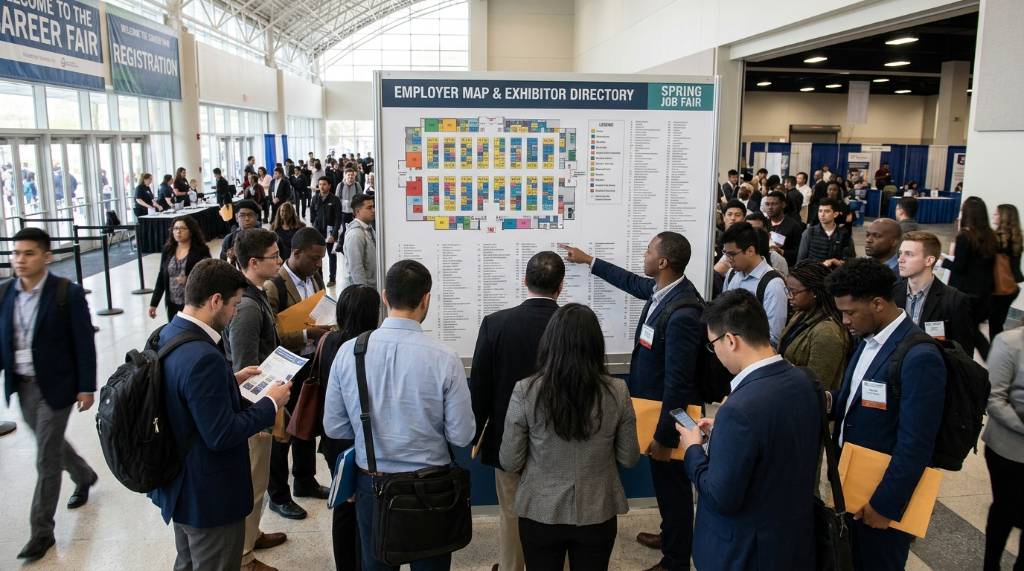
| Morning | Check in, collect a map, and visit your top five booths |
| Late morning | Attend a career talk or resume clinic |
| Midday | Take a lunch break and review your notes |
| Early afternoon | Visit your next five booths and join short interviews |
| Late afternoon | Revisit favorite employers and say thank you |
Tips for Employers
Companies also gain from the event. If you plan to host a booth, follow these steps.
- Contact the mayor’s office and ask about booth rules and fees.
- Prepare a clear list of open roles.
- Bring banners, brochures, and sign-up sheets.
- Send friendly staff who know the company well.
- Offer quick interviews when possible.
- Collect resumes and sort them the same day.
In short, a warm and clear booth draws more candidates. Furthermore, it builds your brand in the community.
What to Do After the Fair
The work does not end when you leave the hall. In fact, the next few days matter a lot.
First, send a thank-you email within twenty-four hours. Mention something you discussed. Second, apply online for any roles the recruiter suggested. Third, connect with recruiters on professional networking sites. Finally, follow up once more after one week if you hear nothing.
Meanwhile, keep learning. If a recruiter named a missing skill, find a short course. This small step can open doors at the next event.
Common Mistakes to Avoid
| Mistake | Better Choice |
| Arriving late | Arrive at opening time |
| Bringing too few resumes | Carry at least ten copies |
| Visiting without research | Study employers in advance |
| Wearing casual clothes | Dress neatly |
| Talking only about pay | Show your skills first |
| Skipping follow-up | Send thank-you notes quickly |
By avoiding these errors, you raise your chances of landing an offer.
Conclusion
The Mayor’s Job Fair 2027 gives job seekers a rare chance to meet many employers in one day. The event takes place on January 20, 2027, so mark your calendar now. Register early, confirm the venue and the hours with the mayor’s office, and study the employer list. Then print your resumes, practice your pitch, and dress with care.
On the day, arrive early, stay polite, and ask smart questions. Afterward, follow up fast. With good planning and a positive attitude, you can turn a single day into a real career step. Therefore, start your preparation today.
Frequently Asked Questions
1. When does the fair take place?
The event is on Wednesday, January 20, 2027. Check the official announcement for the exact start and end times.
2. Is entry free?
Most city job fairs cost nothing for visitors. However, confirm this on the official page.
3. How do I register?
Visit the mayor’s office website, open the event page, and fill in the online form. You can also try on-site registration, although lines may be long.
4. Do I need experience to attend?
No. Employers hire at entry, mid, and senior levels, so every job seeker can find a fit.
5. How many resumes should I bring?
Bring ten to fifteen printed copies. Also keep a digital copy on your phone.
6. What should I wear?
Choose business casual or smart clothes. Pick comfortable shoes, because you will stand and walk often.
7. Can I get hired on the same day?
Sometimes. Some employers hold quick interviews and make offers at the booth. Others invite you for a second round later.
8. Can students and fresh graduates join?
Yes. Many employers look for interns, trainees, and new graduates.
9. Do I need to pay a recruiter?
No. Real employers never charge a fee for a job. Report anyone who asks for money.
10. Where can I find the employer list?
The mayor’s office usually posts it on its website and social media pages a few weeks before the event.